
When shopping for a diamond, one of the most essential tools you’ll encounter is the diamond chart. Whether you’re buying a natural stone or exploring the increasingly popular world of lab created diamonds, understanding this chart can help you make an informed and confident decision. A diamond is more than just sparkle—its value is determined by specific attributes that have been universally standardized. Knowing how to read and interpret a diamond chart will ensure that you get the best quality stone for your investment.
What Is a Diamond Chart and Why It Matters
A diamond chart is a grading system that helps categorize a diamond’s quality based on the 4Cs: Cut, Color, Clarity, and Carat weight. Each category affects a diamond’s appearance, value, and desirability. Whether you’re choosing mined or lab created diamonds, this chart acts as your guide. Jewelers and gemological institutions like the GIA or IGI use it to ensure consistency and transparency. It takes the guesswork out of the buying process and provides a clear breakdown of what you are paying for.
Cut and the Importance of Proportions
The first and most visually important element on the diamond chart is the cut. The cut of a diamond determines how well it reflects light, which in turn affects its brilliance and fire. An excellent or ideal cut grade will reflect the most light, making the diamond appear more vibrant. This applies equally to lab created diamonds, which can be cut to the same high standards as natural stones. A well-cut lab diamond can often outshine a poorly cut natural one, highlighting the importance of understanding cut grades on the chart.
Color Grades and Their Visual Impact
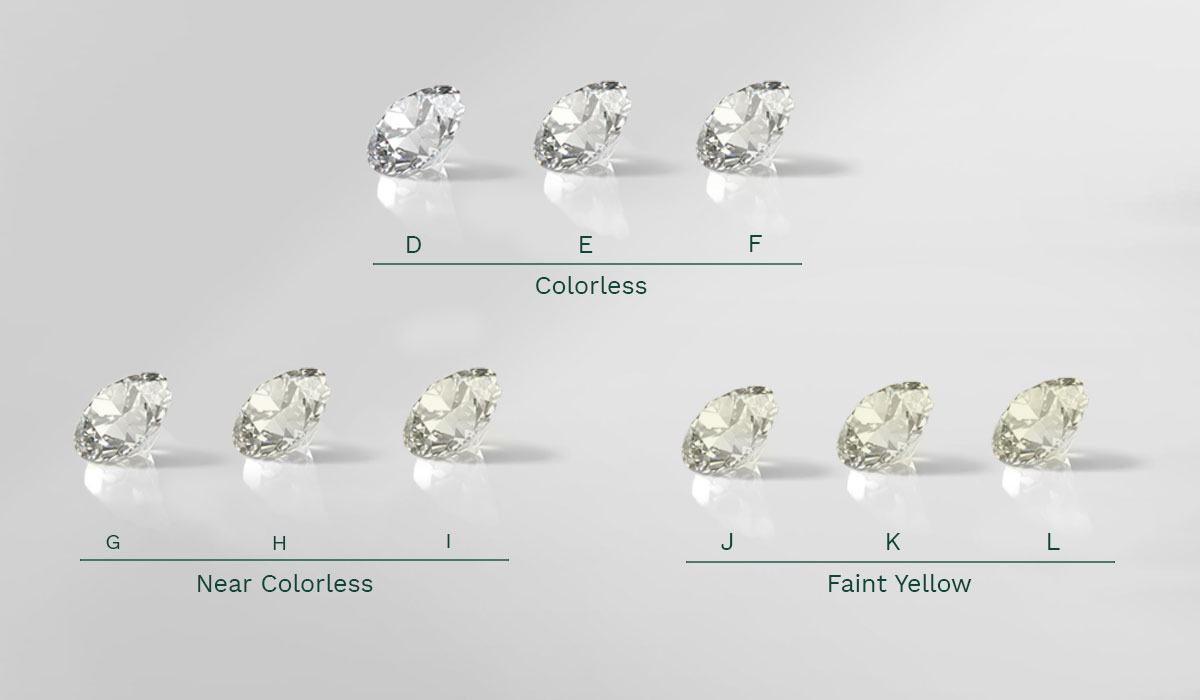
The color section of the diamond chart ranges from D (colorless) to Z (light yellow or brown). While completely colorless diamonds are considered the highest grade, many people find near-colorless stones equally beautiful—especially when set in yellow or rose gold. Lab created diamonds can also be engineered to fall anywhere on the color spectrum. Because they are grown in a controlled environment, lab diamonds often achieve higher color grades at a lower cost. Understanding the color range on the chart will help you decide whether a D-grade diamond is worth the price difference compared to, say, an F or G.
Clarity and the Role of Inclusions
Clarity measures the number and visibility of internal flaws (inclusions) and external blemishes. On the diamond chart, clarity ranges from Flawless (FL) to Included (I1, I2, I3). Inclusions can affect a diamond’s brilliance and, depending on location and size, may be visible to the naked eye. Lab created diamonds often score well in clarity because they are grown in controlled conditions, though some inclusions may still occur. Knowing how to read the clarity scale allows buyers to choose a stone that offers the best visual appeal without paying for invisible perfection.
Carat Weight and Its Influence on Price
Carat weight refers to a diamond’s size, and it’s often the most straightforward metric on the diamond chart. One carat equals 200 milligrams. While a higher carat weight often means a higher price, it doesn’t always guarantee a more beautiful diamond. A smaller, well-cut diamond may look more stunning than a larger, poorly cut one. With lab created diamonds, it’s possible to afford a higher carat weight without sacrificing cut, color, or clarity, which makes them an excellent value. Understanding how carat weight interacts with the other 3Cs helps you balance size and quality.
How Lab Created Diamonds Are Graded
Like mined diamonds, lab created diamonds are graded using the same diamond chart standards. Reputable labs issue certification reports that detail each diamond’s grades across the 4Cs. This ensures that buyers know exactly what they’re getting. Lab diamonds don’t just follow the same standards—they often exceed them because of their controlled growth process. Buyers who understand the grading chart can confidently choose a lab-created diamond that rivals or surpasses natural stones in both appearance and ethical value.
The Value Proposition of Lab Created Diamonds
The affordability of lab created diamonds is one of their most appealing features. Because they are not subject to the mining process, they can be sold at a much lower price without compromising quality. When viewed on a diamond chart, lab-created options often show high grades across all four Cs—cut, color, clarity, and carat—allowing buyers to select better stones for the same or lower price. This makes them especially attractive for engagement rings and high-end jewelry where beauty, ethics, and value all play a role.
Understanding Certification and Trust
A diamond chart is only as reliable as the certification that backs it. Always look for lab created diamonds that are certified by trusted organizations like the GIA (Gemological Institute of America) or IGI (International Gemological Institute). These certifications include a detailed grading report and often specify that the diamond is lab-grown. This not only guarantees quality but also gives you peace of mind that you’re making a smart, transparent purchase based on scientific assessment, not just appearance.
Making an Informed Choice
For anyone considering lab created diamonds, taking time to understand the diamond chart is a smart move. It empowers you to make decisions based on objective standards, helping you weigh the pros and cons of different stones. Whether your priority is brilliance, ethical sourcing, or price, the chart provides a comprehensive snapshot of what each diamond offers. With lab-grown diamonds, you can often afford higher grades across all categories, creating a win-win situation for beauty and budget alike.
Conclusion: Let the Diamond Chart Be Your Guide
Choosing the right diamond doesn’t have to be overwhelming. When you understand how to read a diamond chart, you gain control and clarity in your buying journey. Whether you opt for traditional stones or embrace the ethical and economic benefits of lab created diamonds, the chart offers a reliable roadmap to quality. In today’s market, where lab-grown diamonds are setting new standards for brilliance and responsibility, knowing how to interpret the 4Cs ensures you make a purchase that’s not only smart—but truly sparkles for a lifetime.