


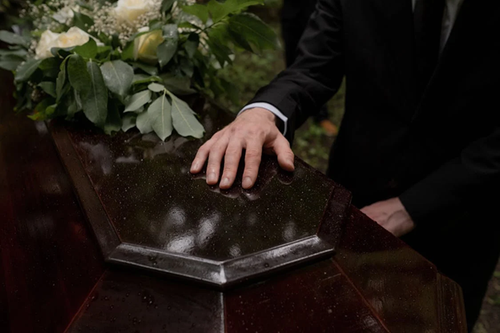
Losing a loved one is one of the most challenging experiences anyone can go through. It is an emotional time filled with grief, stress, and uncertainty about how to move forward. Amid these overwhelming feelings, funeral services offer families a way to honour their loved ones. For many, however, the funeral process is about saying goodbye and celebrating the life of someone who meant the world to them. This is where cultural sensitivity plays an important role. Families from different backgrounds often have different practices, rituals, and ways of mourning. Funeral providers must be mindful of these differences to create services that resonate with those in mourning.
Whether you are in a quest to overcome grief from a recent loss or going through tough times in your personal life, it’s essential to find ways to honour and celebrate the life of a loved one while staying true to their values and traditions. Providing the proper support during this challenging time is a key part of helping families heal.
Why Cultural Sensitivity Matters in Funeral Services
Funerals are a time to reflect, mourn, and remember. For families, every detail—from the service structure to the rituals involved—should reflect the life, culture, and spiritual beliefs of the person who has passed. However, many funeral providers often default to a one-size-fits-all approach, which might not serve every family equally. For instance, some cultures have significant and particular funeral rituals. A funeral for a Hindu individual might involve prayers and rituals specific to their faith, such as a family member leading a prayer chant.
In contrast, a Jewish funeral might focus more on quick burial, with the family observing a mourning period called Shiva. Christian funeral traditions might feature hymns and prayers to honour the deceased. Understanding these practices is critical to making the funeral process a positive and meaningful experience for grieving families.
For example, Compassionate Funerals works closely with families to ensure the services reflect their unique cultural and spiritual needs. They understand that every family is different and take care to listen and offer suggestions for personalising the funeral ceremony. With this designed approach, families can remember their loved ones without worrying about their traditions being adequately respected.
Customising Funerals to Honor Cultural Traditions
Every culture has its ways of mourning, and these traditions often play an essential role in the healing process. That’s why funeral services must take into account the following:
1. Rituals and Ceremonies
Different cultures have different ways of performing last rites. Some people might prefer burial, while others prefer cremation. For instance, many Buddhist funerals involve chanting and the burning of incense as a way to honour the deceased’s soul. In Islamic cultures, burials typically happen within a day, and the body is washed and wrapped in a simple cloth. For those who follow Jewish traditions, the body is buried as soon as possible, and the family might follow customs such as covering mirrors to symbolise mourning. Ensuring these specific rituals are part of the funeral service helps grieving families feel at peace, knowing they have honoured their loved one in the way they believed was best.
2. Spiritual Practices
Funerals often include spiritual elements that offer comfort and guidance. Families might request the presence of a religious leader such as a rabbi, priest, or imam to provide prayers during the service. Spiritual readings and music can be comforting, providing a sense of peace and connection with the deceased. For families who may not follow a particular faith, secular or non-religious services are also an option. The flexibility of funeral services can allow the family to incorporate meaningful spiritual or secular rituals.
3. Music and Symbols
Music is a significant part of many funerals. For some families, songs might carry deep personal or cultural meaning. For instance, a traditional Scottish funeral might include bagpipes, while Mexican funerals might feature mariachi bands to honour the deceased’s heritage. Some families may also choose symbols to signify their loved one’s life and legacy. Candles, flowers, or other items that hold meaning in their culture can be included in the ceremony, giving it a more personalised touch. Incorporating these elements into a service can create an atmosphere that feels familiar and comforting during a time of great sorrow.
4. Food and Community
After the funeral, many cultures gather for a meal to remember the deceased and support the family. In some Asian cultures, for example, food is offered to nourish the deceased’s spirit. The meal also serves as a space for people to come together and share memories of the deceased. Funeral services can offer extra comfort by providing meaningful food to the family and helping people connect and remember their loved ones.
Clear Communication: Listening to the Family’s Wishes
The best funeral services begin with good communication. Funeral providers must listen to the family’s needs and wishes so that they can personalise the service accordingly. This will ensure the ceremony reflects the deceased’s legacy and the family’s cultural or spiritual needs. Funeral providers should take time to understand the traditions, religious beliefs, and customs that are important to the family.
A provider like Compassionate Funerals emphasises the importance of listening and adapting services to meet each family’s specific requirements. Their approach is compassionate and patient, allowing them to customise each funeral service to ensure it aligns with the family’s unique wishes. By working with families, funeral directors can help remove some burdens during an emotional time and allow loved ones to focus on what truly matters.
Understanding the Needs of Modern Families
Today, many families are diverse, whether in terms of religion, culture, or lifestyle. Interfaith or multi-cultural families might need a service that blends different traditions, and non-religious families may prefer a secular service focused on celebrating life. Providing flexibility is key to accommodating these various needs. Families should not feel limited by traditional rituals that don’t speak to them. Funeral services that respect the modern needs of families are vital in a world where cultural diversity is more common than ever.
For instance, interfaith families may want to incorporate prayers from Christian and Hindu faiths. A secular service might include a personal tribute focusing on the deceased’s achievements rather than religious rituals. These options allow families to honour the lives of their loved ones in a way that genuinely reflects who they were.
Adapting to Modern Trends in Funerals
In addition to offering more personalised services, modern funeral trends are also emerging in response to societal changes. More families are requesting eco-friendly funerals, which could include biodegradable caskets or cremation. In some cases, families may also opt for virtual funerals, allowing people who can’t attend in person to participate remotely. These trends reflect the growing desire to provide meaningful and environmentally conscious options.
Funeral providers should remain open to these changes and offer services that reflect the evolving needs of families. Providing more options helps families create services that align with their values and beliefs, making the experience more meaningful for everyone involved.
Coping with Grief and Stress
Grief can be overwhelming, and managing the stress that comes with it is essential for healing. After the funeral, many people experience various emotions that can make it hard to move forward. Seeking support from family, friends, or professionals can help ease this process. Understanding how to cope with tough times is essential for your well-being during loss.
Final Thoughts
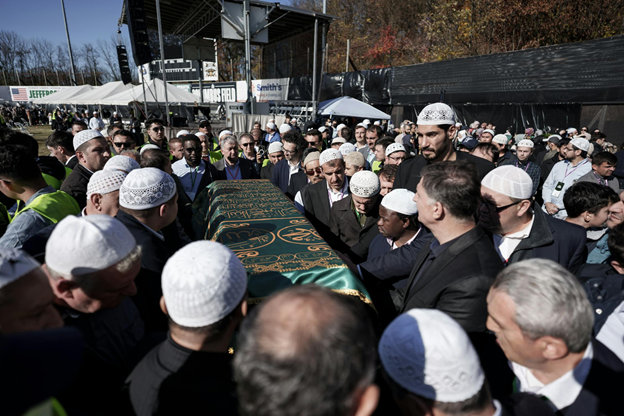

Cultural sensitivity is at the heart of compassionate funeral services. By offering personalised funeral plans that honour the traditions of each family, funeral providers can help make the grieving process a little easier. Compassionate Funerals is a strong example of a service that listens to and respects cultural and spiritual needs, providing customised options to help families through one of the most difficult times.
In a world of increasing diversity, providing flexible, respectful, and personalised funeral services is more critical than ever. With the proper support and care, families can find peace in knowing that their loved ones were honoured in a way that reflects their lives and beliefs.