


Dental implants have revolutionized the field of dentistry, offering patients a durable and aesthetically pleasing solution for missing teeth. However, the success of dental implants relies heavily on proper maintenance and adherence to regulations. This article explores the laws and guidelines governing the maintenance of dental implants, emphasizing the importance of regular care in preserving oral health and implant longevity.
Proper maintenance of dental hygiene plays a crucial role in preserving oral health and ensuring the longevity of dental restorations, including implants. In addition to regular brushing and flossing, dietary habits and lifestyle choices significantly impact oral health. This article explores effective maintenance strategies for dental hygiene, including recommendations for oral care routines, dietary guidelines, and precautionary measures to optimize oral health outcomes.
Maintenance Routines
Maintaining dental hygiene involves adopting consistent oral care routines and incorporating preventive measures into daily habits. Key maintenance routines include:
Brushing Techniques: Brushing teeth at least twice a day using fluoride toothpaste is essential for removing plaque and preventing dental decay. Patients should use a soft-bristled toothbrush and employ gentle, circular motions to clean all tooth surfaces effectively.
Flossing: Flossing daily helps remove food particles and plaque from areas between teeth and along the gumline where a toothbrush cannot reach. Patients should use dental floss or interdental cleaners to clean between teeth and prevent gum disease.
Mouthwash: Using an antimicrobial mouthwash can help reduce bacteria and freshen breath. Patients should rinse with mouthwash after brushing and flossing to supplement their oral hygiene routine.
Regular Dental Check-ups: Routine dental visits every six months are crucial for professional cleanings, thorough examinations, and early detection of dental issues. Dentists can assess oral health, identify potential problems, and provide personalized recommendations for preventive care.
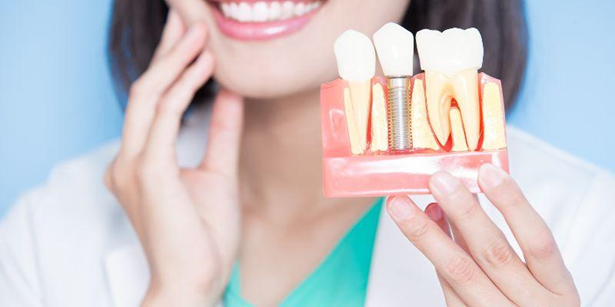

Dental implant procedures in Tehran have positioned Iran as a top destination, featuring a proficient cadre of extensively trained dentists and cutting-edge facilities equipped with the latest technology. Tehran’s dental experts excel in implantology, delivering specialized services that meet rigorous international care standards.
Dietary Considerations
Dietary habits significantly impact oral health, and consuming a balanced diet is essential for maintaining healthy teeth and gums. Dietary considerations for optimal dental hygiene include:
- Limiting Sugary Foods and Beverages: Sugary foods and drinks promote plaque formation and increase the risk of dental cavities. Patients should limit consumption of sugary snacks, sodas, and candies to reduce the likelihood of tooth decay.
- Eating Nutrient-Rich Foods: Incorporating nutrient-rich foods such as fruits, vegetables, dairy products, and lean proteins into the diet can support overall oral health. These foods provide essential vitamins and minerals that strengthen teeth and gums.
- Drinking Water: Drinking water helps rinse away food particles and neutralize acids in the mouth, reducing the risk of tooth decay. Patients should drink fluoridated water to enhance dental protection and maintain oral hygiene.

Precautionary Measures
In addition to oral care routines and dietary considerations, certain precautionary measures can help protect dental hygiene and prevent oral health problems. These measures include:
- Avoiding Tobacco Products: Tobacco use increases the risk of gum disease, oral cancer, and tooth loss. Patients should avoid smoking cigarettes and using other tobacco products to maintain optimal oral health.
- Using Protective Mouthguards: Patients engaged in sports or activities that pose a risk of dental injury should wear protective mouthguards to prevent tooth fractures and trauma.
- Managing Stress: Stress and anxiety can contribute to teeth grinding (bruxism) and temporomandibular joint (TMJ) disorders, leading to dental complications. Patients should practice stress management techniques such as relaxation exercises and seeking professional support if needed.


Effective maintenance of dental hygiene involves a combination of regular oral care routines, dietary considerations, and precautionary measures. By adopting healthy habits and seeking professional dental care, patients can preserve oral health, prevent dental problems, and enjoy a confident smile for years to come. Encouraging patients to prioritize dental hygiene and incorporate these maintenance strategies into their daily lives is essential for promoting overall well-being and quality of life.