
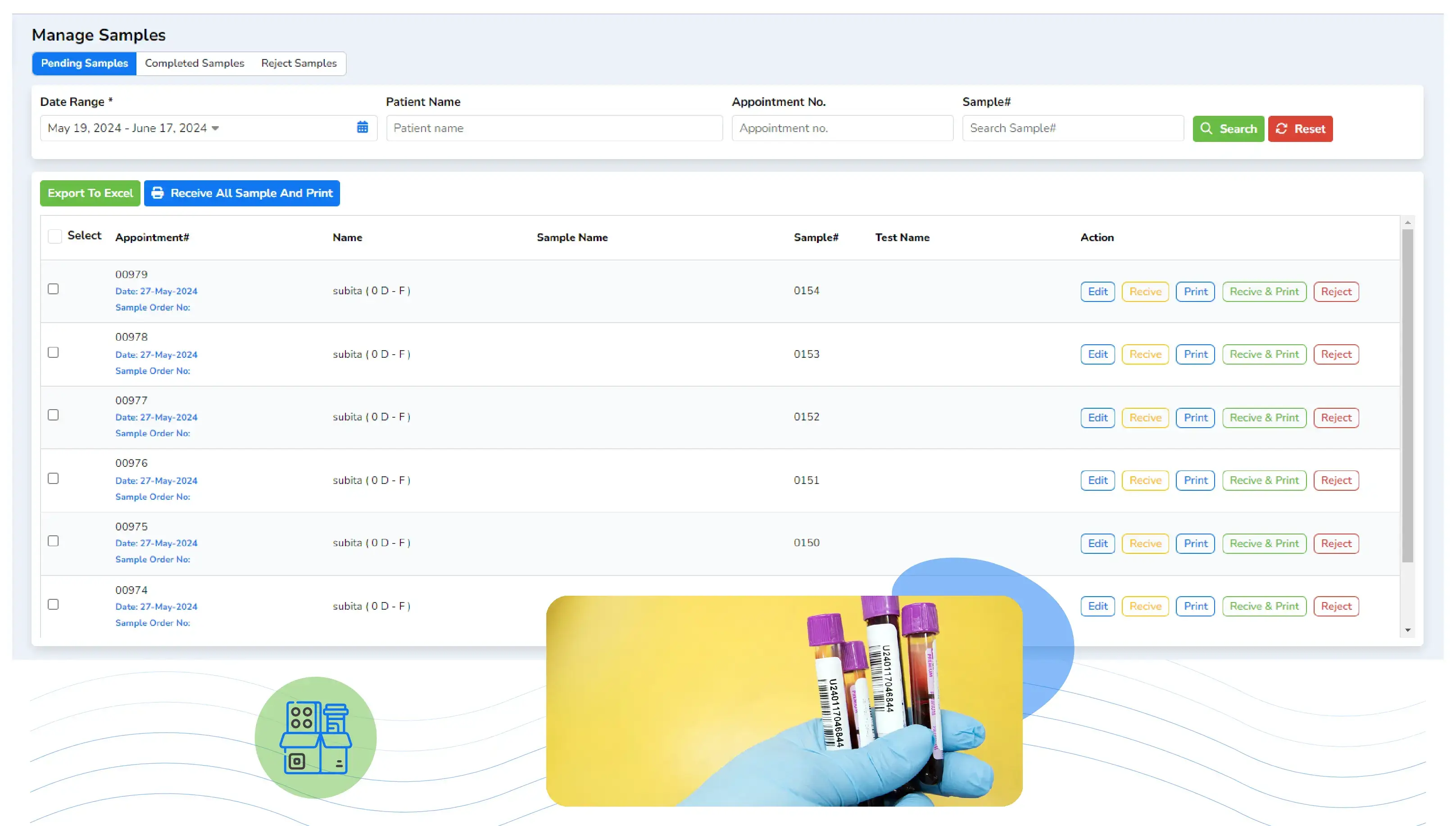
The healthcare industry is undergoing a profound digital transformation, and laboratories play a central role in this revolution. Whether it’s testing samples, conducting imaging analysis, or delivering diagnostic results, labs are at the forefront of medical decision-making. As the healthcare sector embraces digital technologies, Laboratory Information Management Systems (LIMS) have become indispensable tools for laboratories to stay competitive, improve operational efficiency, ensure regulatory compliance, and enhance patient care.
In this article, we will explore how LIMS software is helping laboratories navigate the digital healthcare era and stay ahead of the curve. From optimizing workflows to improving data integrity, LIMS is a critical asset for labs looking to leverage technology and deliver timely, accurate, and reliable results.
1. What is LIMS Software?
A Laboratory Information Management System (LIMS) is a powerful software solution designed to streamline and automate laboratory processes, from sample tracking and data management to reporting and compliance. LIMS is used across various laboratory settings, including clinical labs, pharmaceutical labs, research labs, environmental testing labs, and more.
The core function of LIMS is to manage samples and associated data. LIMS automates many routine tasks, integrates laboratory instruments, enhances data accessibility, and supports compliance with regulatory standards. By providing a centralized system for managing all laboratory operations, LIMS helps laboratories improve efficiency, reduce errors, and ensure high-quality data management.
2. The Role of LIMS Software in the Digital Healthcare Era
The digital healthcare era is marked by an increase in technological advancements that focus on improving patient outcomes, enhancing operational efficiencies, and supporting data-driven decision-making. Laboratories are under growing pressure to meet these demands while maintaining regulatory compliance and managing an ever-expanding volume of data. LIMS software plays a crucial role in helping labs stay ahead by providing solutions to these challenges.
Key Benefits of LIMS Software in Digital Healthcare:
- Efficiency in Lab Operations: As laboratories process an increasing number of samples and tests, manual systems or paper-based workflows become outdated and inefficient. LIMS automates key processes such as sample tracking, result recording, inventory management, and report generation, reducing the need for manual intervention and accelerating workflows. By streamlining daily tasks, LIMS helps labs enhance productivity and reduce turnaround times, allowing them to meet the demands of modern healthcare.
- Data Integrity and Accuracy: Data integrity is crucial in the healthcare sector, where accurate test results guide diagnoses and treatment plans. LIMS ensures data integrity by providing secure storage, audit trails, and validation checks. With LIMS, every action taken on a sample—whether it’s entering test results, modifying data, or transferring information—is tracked and logged, ensuring full traceability and transparency. The software also eliminates transcription errors by automatically transferring data from diagnostic instruments to the system, reducing the risk of human error.
- Seamless Integration with Healthcare Systems: As healthcare organizations move toward electronic health records (EHR) and other digital platforms, the ability to share and integrate data becomes critical. LIMS software can seamlessly integrate with EHR systems, PACS (Picture Archiving and Communication Systems), and other healthcare software to provide a comprehensive view of a patient’s medical history. This integration allows labs to provide timely and accurate results directly to clinicians, enabling better patient care and faster decision-making.
- Regulatory Compliance: Healthcare labs operate in a highly regulated environment, with strict standards such as HIPAA, CLIA, FDA 21 CFR Part 11, and ISO 15189. LIMS software helps labs comply with these regulations by ensuring proper data handling, secure access, and detailed audit trails. The system ensures that all required documentation, reports, and test results are properly stored and easily accessible during inspections or audits.
3. How LIMS Supports Advanced Data Analytics
Data analytics is playing an increasingly important role in modern healthcare. Laboratories generate massive amounts of data through tests, imaging, and patient samples. With the right tools, this data can be transformed into valuable insights for improving patient care, identifying trends, and optimizing laboratory operations.
LIMS software can enhance the use of data analytics in laboratories by organizing and structuring data in ways that make it easier to analyze and extract insights.
Key Features of LIMS for Data Analytics:
- Centralized Data Repository: LIMS centralizes all laboratory data—whether from patient samples, test results, or instruments—into one system. This consolidated approach makes it easier to access data, analyze trends, and identify patterns. Laboratory managers can gain insights into laboratory performance, sample throughput, and efficiency by reviewing data from multiple sources.
- Real-Time Data Access: LIMS provides real-time access to laboratory data, allowing managers, technicians, and clinicians to make data-driven decisions promptly. By having real-time access to patient test results and sample statuses, laboratories can optimize workflows and improve patient care. Clinicians can quickly view results and make faster diagnoses, while lab personnel can prioritize tasks based on urgency.
- Advanced Reporting and Dashboards: LIMS software often includes customizable reporting tools and dashboards that provide laboratory managers with a high-level overview of operations. These reports can highlight key performance indicators (KPIs), such as turnaround times, sample volumes, instrument utilization, and result accuracy. Managers can use this data to identify areas for improvement and make informed decisions to optimize laboratory performance.
- Predictive Analytics: As LIMS systems evolve, many are incorporating predictive analytics features. These features use historical data to forecast trends, anticipate equipment maintenance needs, or predict sample volumes. Predictive analytics helps laboratories proactively address challenges and optimize their resources to meet future demand.
4. Improving Collaboration and Communication
In the digital healthcare era, seamless communication and collaboration between healthcare providers are essential for delivering high-quality patient care. LIMS software facilitates collaboration between laboratories, clinicians, patients, and other healthcare stakeholders.
Key Collaboration Benefits of LIMS:
- Interdisciplinary Communication: LIMS allows radiology labs, pathology labs, and other diagnostic departments to communicate effectively. For example, radiology results, such as X-rays or MRIs, can be linked to pathology reports within the same patient record. This integration ensures that physicians and lab personnel can access comprehensive diagnostic information in one place, improving collaborative decision-making.
- Sharing Data with External Partners: With data integration capabilities, LIMS enables laboratories to securely share information with external stakeholders such as pharmaceutical companies, research institutions, or other healthcare facilities. This is particularly useful in clinical trials, collaborative research, or when sending samples to external testing labs.
- Remote Access and Telemedicine Integration: Many LIMS systems offer remote access features that allow lab personnel and healthcare providers to access test results from anywhere. In the age of telemedicine, this is particularly beneficial, as patients and healthcare providers can review test results and collaborate on diagnosis or treatment plans without needing to be physically present in the lab or clinic.
5. Cost Efficiency and Resource Optimization
As healthcare costs rise, laboratories are under increasing pressure to optimize resources and reduce operational costs. LIMS software can contribute to cost savings by enhancing operational efficiency, reducing human errors, and automating routine tasks.
How LIMS Drives Cost Efficiency:
- Reduced Labor Costs: By automating repetitive tasks, such as sample tracking, report generation, and data entry, LIMS reduces the need for manual labor. This allows laboratory staff to focus on more complex tasks, improving productivity and reducing operational overhead.
- Optimized Resource Allocation: LIMS software helps labs optimize their resource allocation by tracking equipment usage, inventory levels, and sample throughput. This data enables labs to schedule maintenance, ensure they have adequate supplies, and manage personnel effectively, minimizing waste and maximizing resource utilization.
- Faster Turnaround Times: By improving workflows and automating processes, LIMS reduces turnaround times for tests and reports. Faster results can help labs handle a higher volume of tests, increasing revenue potential and improving patient satisfaction.
Conclusion
As the healthcare industry continues to evolve in the digital age, LIMS software plays a critical role in helping laboratories stay competitive, efficient, and compliant. By streamlining operations, ensuring data integrity, enabling data analytics, and improving collaboration, LIMS helps labs provide better, faster, and more accurate results.
In the face of growing demands for quality, efficiency, and regulatory compliance, LIMS is no longer a luxury—it is a necessity for labs that want to stay ahead in the digital healthcare era. With its powerful capabilities, LIMS is a game-changer, supporting laboratories in delivering high-quality care and playing a vital role in the future of healthcare.
About the Author: Morain is an experienced content writer and SEO expert based in Mumbai, India. With 10 years of expertise in the healthcare SaaS industry, he specializes in creating optimized content that drives results and helps businesses succeed online. His deep understanding of SEO strategies and healthcare technology allows him to craft content that not only informs but also ranks well on search engines.