
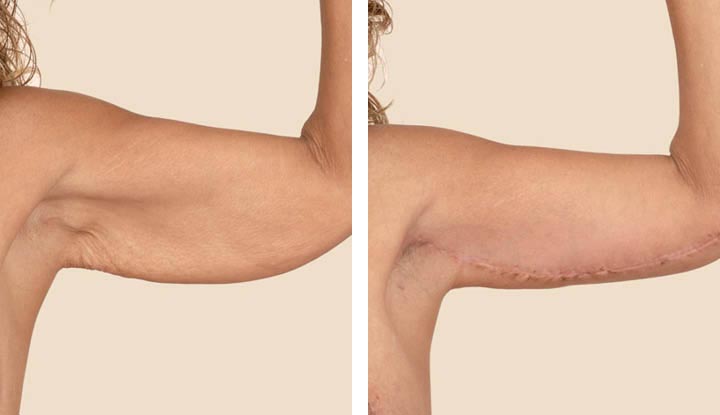
Brachioplasty, commonly known as an arm lift, is a surgical procedure designed to reshape and contour the upper arms by removing excess skin and fat. This surgery is particularly beneficial for individuals who have lost significant weight or have experienced aging-related skin laxity, resulting in sagging skin on their arms. Brachioplasty can help patients achieve more toned and defined upper arms, improving both appearance and confidence.
In this blog post, we’ll explore what brachioplasty is, who can benefit from the procedure, what to expect during the surgery, and the recovery process.
What is Brachioplasty?
Brachioplasty is a cosmetic surgery procedure that removes excess skin and fat from the upper arms. Often referred to as “bat wings,” sagging skin on the upper arms can occur due to various factors such as aging, genetics, or significant weight loss. The goal of brachioplasty is to create a smoother, firmer appearance in the arms by tightening the underlying tissues and removing the extra skin and fat.
There are different types of brachioplasty, depending on the extent of the sagging skin and fat that needs to be removed:
- Traditional Brachioplasty: This is the most common form of arm lift surgery, where the incision is made from the armpit to the elbow. It’s suitable for patients with significant skin laxity.
- Extended Brachioplasty: This technique is used for individuals who have more extensive sagging, often after massive weight loss. The incision extends along the side of the chest to remove more skin.
- Mini Brachioplasty: This less invasive option involves a smaller incision near the armpit, ideal for patients with mild sagging or fat.
Who is a Good Candidate for Brachioplasty?
While brachioplasty is an effective procedure for reshaping the arms, it’s not for everyone. Ideal candidates for the surgery typically meet the following criteria:
- Significant skin laxity: If you have loose or sagging skin on your upper arms that doesn’t improve with exercise, brachioplasty may be the solution.
- Stable weight: Candidates should be at a stable weight and close to their ideal body weight. Significant weight fluctuations after surgery can affect the results.
- Good overall health: As with any surgery, being in good physical health is important. You should not have any underlying medical conditions that could complicate the surgery or recovery process.
- Non-smoker: Smoking can interfere with the healing process, so candidates should ideally be non-smokers or willing to quit before and after surgery.
- Realistic expectations: It’s important to have a clear understanding of the potential outcomes of brachioplasty. The surgery can enhance the appearance of the arms but will not result in perfection.
If you’re unhappy with the appearance of your upper arms due to sagging skin or fat, and you’re in good health, brachioplasty may be a viable option for you.
What to Expect During Brachioplasty Surgery
Brachioplasty is typically performed under general anesthesia and can take between 1 to 3 hours, depending on the complexity of the surgery. The process involves several key steps:
- Incision: The surgeon makes an incision along the inner arm, either from the armpit to the elbow (traditional) or with a more limited incision for mini brachioplasty. The extent of the incision depends on how much skin and fat need to be removed.
- Removal of Excess Skin and Fat: Once the incision is made, the surgeon removes the excess skin. In some cases, liposuction may also be used to remove excess fat for a more contoured appearance.
- Tissue Tightening: The surgeon tightens the underlying tissues to create a more defined arm shape.
- Closing the Incisions: Finally, the incisions are closed with sutures. Some surgeons may use absorbable sutures or stitches that need to be removed after a week or two.
Recovery After Brachioplasty
Recovery from brachioplasty varies depending on the individual and the extent of the surgery, but here are the general stages:
- Immediately After Surgery: Following the procedure, your arms will be bandaged, and you may have drainage tubes to prevent fluid buildup. It’s normal to experience swelling, bruising, and discomfort, but these symptoms will subside as you heal.
- The First Week: For the first week after surgery, you’ll need to avoid heavy lifting and vigorous arm movements. You will likely need to wear compression garments to help minimize swelling and support the new contours of your arms.
- 2 to 4 Weeks: You can usually resume light activities and return to work after about two weeks, but you’ll need to continue avoiding strenuous activities for up to four weeks.
- Full Recovery: Most patients are fully recovered and see their final results within 3 to 6 months. By this time, the swelling will have subsided, and the incisions will begin to fade.
It’s important to follow your surgeon’s post-operative instructions carefully to ensure proper healing and optimal results.
Risks and Complications
Like all surgeries, brachioplasty carries some risks. These include:
- Scarring: While surgeons make every effort to place incisions in less noticeable areas, scars are an inevitable part of brachioplasty. The scars typically fade over time but may remain visible.
- Infection: As with any surgery, there’s a risk of infection, though this is rare if proper post-operative care is followed.
- Asymmetry: In some cases, the arms may not be perfectly symmetrical after surgery, though this can often be corrected.
- Seroma: This is the accumulation of fluid under the skin, which may require drainage.
Discuss these risks with your surgeon before undergoing the procedure so you can weigh the potential benefits against the possible complications.
Results of Brachioplasty
Brachioplasty can dramatically improve the appearance of your arms, making them look slimmer, more toned, and proportional to the rest of your body. While the results are long-lasting, it’s important to maintain a stable weight and stay active to prevent new sagging. In general, patients are very satisfied with the results, as the surgery can boost confidence and comfort in clothing that exposes the arms.
Conclusion
Brachioplasty is an effective solution for individuals seeking to remove sagging skin and fat from their upper arms. Whether you’ve experienced weight loss or skin aging, this procedure can help restore the tone and contour of your arms, improving your overall appearance. If you’re considering brachioplasty, consult with a board-certified plastic surgeon to discuss your goals and determine if you’re a suitable candidate for the procedure.