
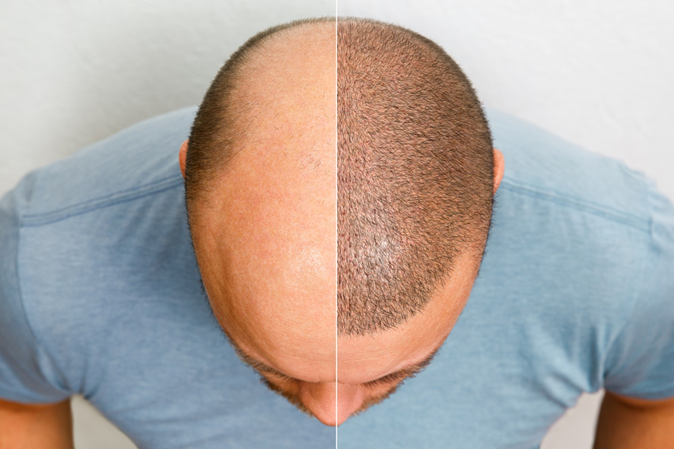
In short, hair transplants are considered permanent because the transplanted hair follicles are genetically resistant to the effects of balding. However, the term “forever” can be nuanced, as the permanence of the transplant is relative to several influencing factors.
While the transplanted hair follicles themselves are expected to last a lifetime, the surrounding native hair is not always guaranteed to stay intact. Many people experience additional hair loss in untreated areas as they age, which can alter the overall appearance of the transplant.
Factors That Affect the Longevity of Hair Transplants
1. Age and Hair Loss Progression
The timing of the hair transplant can greatly influence how long the results last. For younger individuals who undergo the procedure early, future hair loss in untreated areas is a possibility. Since hair loss can be progressive, a person who undergoes a transplant in their twenties might need additional procedures as they age to maintain a consistent look.
For older individuals, hair loss may have stabilized, meaning that the results of a transplant are more likely to remain stable over time. However, age-related changes in hair thickness and scalp health can still impact the final results.
2. Genetics and the Future of Hair Loss
Your genetic makeup plays a significant role in how hair transplants hold up over the years. Those with more aggressive forms of male or female pattern baldness might notice further hair thinning in untreated areas, even after a successful transplant. For these individuals, a comprehensive plan, including ongoing treatments such as medication (like finasteride or minoxidil), may be necessary to sustain the overall appearance.
3. Surgeon Expertise and Technique
The skill of the surgeon performing the transplant is another critical factor in how long the results will last. A poorly performed hair transplant can result in unnatural-looking hairlines, improper graft placement, and reduced longevity of the transplanted follicles.
A highly skilled surgeon with expertise in the latest FUE or FUT techniques can create a more natural and long-lasting outcome. Their ability to evaluate the patient’s pattern of hair loss, ensure optimal graft survival, and place follicles in a way that mimics natural hair growth is essential to the success of the procedure.
Can You Experience Hair Loss After a Transplant?
Yes, it is possible to experience hair loss even after a successful transplant, but this primarily affects the native hair and not the transplanted follicles themselves. Known as “shock loss,” it is a temporary shedding that can occur after the procedure due to the trauma of surgery, with hair typically regrowing over time.
Additionally, hair thinning in untreated areas may continue as part of the natural aging process. It is important to have realistic expectations and understand that a transplant can address existing bald spots, but it does not necessarily prevent future hair loss in other areas.
The Role of Aftercare in Maintaining Results
Post-surgery care is crucial in determining how well a hair transplant “ages.” Immediately after the procedure, patients need to follow strict aftercare guidelines to avoid damaging the transplanted follicles and to ensure their survival. This may involve using special shampoos, avoiding strenuous activities, and sleeping with the head elevated for a few days.
Long-term, maintaining a healthy scalp through proper hygiene, sun protection, and possibly continuing hair loss medications can significantly improve the longevity of the transplant results. Proper nutrition, including vitamins that promote hair health, also plays a role in keeping the hair strong and vibrant.
How Long Does It Take to See Results from a Hair Transplant?
Patience is key after a hair transplant. Initial results may not be immediately visible, as the newly transplanted hair goes through a natural shedding phase within the first few weeks. This is normal and expected. New hair typically begins to grow after three to four months, with full results becoming apparent around 12 to 18 months post-surgery.
The long-term growth of the transplanted hair is one of the clearest indicators of the procedure’s success. If the follicles are well-established and taken care of, the hair should continue to grow naturally for many years, if not a lifetime.
Pros and Cons of Hair Transplants: A Long-Term Perspective
Hair transplants come with a variety of benefits, but they also have limitations. Understanding these pros and cons helps individuals decide whether the procedure is right for them.
Pros
- Permanent solution: Once established, the transplanted hair follicles are expected to last a lifetime.
- Natural appearance: With skilled surgery, hair transplants can provide natural-looking results that blend with existing hair.
- Minimal maintenance: Unlike wigs or hairpieces, transplanted hair does not require special care beyond normal hair maintenance.
Cons
Potential for additional hair loss: Transplanted hair may stay, but untreated areas can continue to thin, potentially leading to future surgeries.
Cost: Hair transplants can be expensive, especially for those requiring multiple sessions.
Time commitment: Full results take over a year to become visible, requiring patience and adherence to aftercare instructions.
Is a Hair Transplant Worth It for Lifelong Results?
For many individuals, a hair transplant offers not just a physical transformation but an emotional one as well. The chance to restore a full head of hair can dramatically boost self-confidence and improve quality of life. However, like any medical procedure, hair transplants are not without risks and considerations. Patients must approach the decision with a clear understanding of their hair loss pattern, potential future treatments, and realistic expectations about the permanence of the results.
The bottom line is that while transplanted hair can last forever, surrounding natural hair may not. A successful hair transplant is the result of a combination of surgical expertise, proper aftercare, and managing future hair loss effectively.